Google Ads Management That Turns Clicks Into Booked Jobs
We build and manage Google Ads campaigns that put your business in front of ready to book customers, fast. Be found everywhere your customers search, on Google, in the Map Pack, and in AI answers, while your ads bring in calls today.
We work with home service contractors, outdoor and property trades, and local pros across the industries we serve. While your organic rankings grow, our team keeps paid leads flowing in.
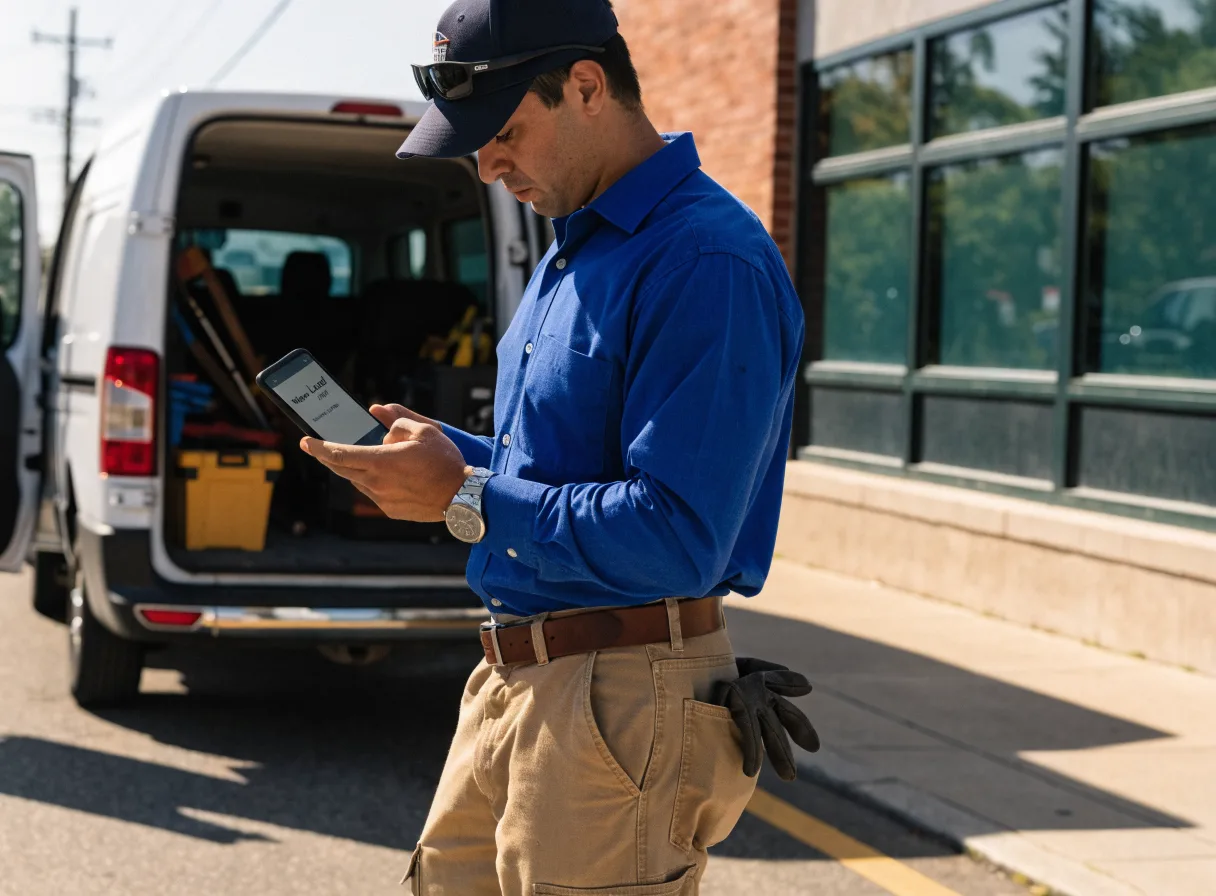
Ready to book leads, every day
Who This Is For
Sound Familiar?
Your Ad Spend Disappears With Nothing to Show
Money leaves your account every month, but you cannot tell which clicks turned into a booked job and which ones went nowhere.
You Are Guessing Which Keywords Work
Nobody set up your campaign around the exact jobs you want. It targets broad terms that bring clicks from people who were never going to hire you.
Your Campaign Never Gets a Second Look
Your ads launched once and then sat there. No one is checking cost per lead, adjusting bids, or cutting what does not work.
What You Get With Our Google Ads Management
Google Ads gets you in front of customers today while your Map Pack rankings, organic search results, and AI answers from tools like ChatGPT, Gemini, Perplexity, and Google AI Overviews build over time. It is one more way we make sure your business gets found everywhere your customers search. Whether you run an HVAC company, a roofing or plumbing crew, an electrical business, a landscaping, painting, pool, or remodeling operation, an auto detailing or repair shop, or a med spa, dental, chiropractic, law, or salon business, here is exactly what we handle for you.
Campaign Setup Built for Your Business
We build your Google Ads account from the ground up. No templates. Every campaign is set up around the jobs you want and the area you serve.

Keyword Targeting That Finds Ready-to-Book Customers
We target the exact searches your customers type when they need help now, so your ads show up when someone is ready to call, not just browsing.
Ad Copy That Speaks to Your Customers
We write ads in plain language that tell people why to pick you. No filler. Just the reasons that make a homeowner or business owner choose your company.
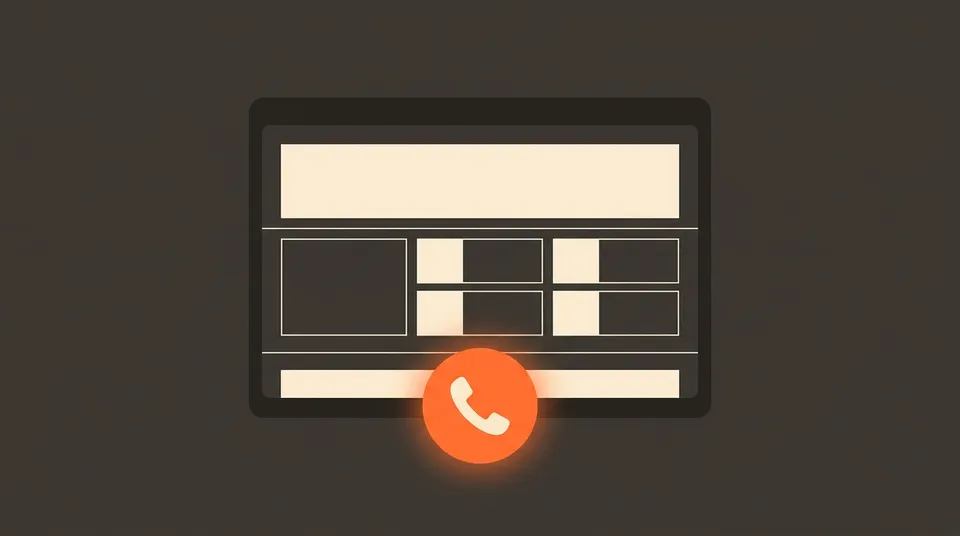
Landing Pages Built to Convert Clicks Into Calls
A click means nothing without action. We build landing pages made to turn visitors into booked jobs, with clear next steps on every page.
Call Tracking So You Know What's Working
You will know exactly which ads and keywords bring in real customers. We track every call and form so your ad spend is never a guessing game.
Daily Bid Management
We manage your bids daily so spend shifts toward what brings in leads and away from what does not.
How It Fits Together
One Piece of a Bigger Visibility System
Google Ads is one channel inside our paid ads service, built to catch people actively searching for your service right now. Alongside it, our Meta Ads campaigns put your business in front of the right neighbors before they start searching. Every click lands on a website built to turn visitors into booked jobs. Together, this gets you found in the Google Map Pack, in organic search results, and in AI answers from ChatGPT, Gemini, Perplexity, and Google AI Overviews, not just one place.
How It Works
A simple process built to get your phone ringing
We keep it simple. Three steps get your business in front of customers on Google Maps, organic search, and AI answers, whether you run an HVAC crew, a roofing company, a salon, or a law firm.
Strategy Call
We start with a short call about your business. We learn who your customers are and where you need to show up, in the Map Pack, organic search, and AI answers like ChatGPT and Gemini.
Campaign Launch
We build your Google Ads campaign around the jobs you want most. Ad copy, keywords, and landing pages all point at one goal: getting your phone to ring.
Ongoing Optimization
Once your campaign is live, we track every call and click. We adjust your budget and targeting every week so your cost per lead keeps going down.
Real Results for Real Local Businesses
Ads Built to Get Your Phone Ringing
Google Ads work best alongside a real visibility system. Here is what happened for local service businesses that paired paid search with our full-service approach while their organic rankings and AI visibility built behind it.
We show real campaign results for markets like yours on your Growth Session call.
We back our work. If you follow our recommendations and we do not produce measurable improvements within 90 days, we keep working at no charge until we do. Measurable means real movement: rankings improving, more calls coming in, heatmap positions turning green. This is a partnership. You hold up your end, we hold up ours.
Questions About Our Google Ads Service
We know you have questions before you hand over your ad budget to anyone. Here is what other local service business owners ask us before we get started.
Ready for Your Phone to Ring More?
Book a Free Local Lead Growth Session and see what Google Ads can do for your business. While your ads bring in calls today, we also work to get you found in the Google Map Pack, organic search, and AI answers. It works for home service, trade, and local professional businesses alike.
Prefer to text? Message us anytime
Veteran-owned digital marketing agency helping local service businesses get found everywhere customers search.
Company
© 2026 Lightning Leads Pro. All rights reserved.