An HVAC referral program turns happy customers into a steady source of new calls. You ask the right people at the right time. You give a small, clear reward when their friend books a job. Then you track it and let your software send the ask for you.
You probably get some referrals already. The problem is that they come by luck. This guide shows you how to set up a simple program in six steps, so referrals come in on purpose.
We also cover one rule you cannot skip. Referral rewards and Google reviews must stay separate. Mixing them can put your reviews at risk.
What an HVAC referral program is (and is not)
A referral program is a written, repeatable way to ask customers to send friends your way. It has four parts: who you ask, when you ask, what you give, and how you track it. If any part lives only in your head, it will not happen on a busy day.
People listen to friends. In Nielsen’s 2021 Trust in Advertising study, U.S. consumers (age 15 and up) named one channel the most trusted. It was recommendations from people they know, at 89%. A referral program simply gives that trust a nudge and a path.
A referral program is not a review program. A review is a public opinion on Google. A referral is a private introduction to a friend or neighbor. They work well side by side, but they follow different rules.
Step 1: Start with customers who already trust you
Do not send your first referral ask to your whole list. Start with the people most likely to say yes. These customers have seen your work up close and liked it.
- Maintenance plan members. They chose to keep coming back. They also talk to neighbors about who does their tune-ups.
- Recent installs. A new system is a big purchase. Friends often ask, “Who did your new unit?”
- Repeat repair customers. If they called you twice and stayed, they trust you.
- Customers who praised a tech by name. Check your call notes and job notes for kind words.
Pull this list from your field service software or your invoices. Tag each person so your automation can find them later. A simple tag like “referral ready” works fine.
Step 2: Ask right after a good visit
Timing matters as much as the reward. The best moment is right after the job, when the house is warm or cool again. The customer feels relief and is happy with your tech.
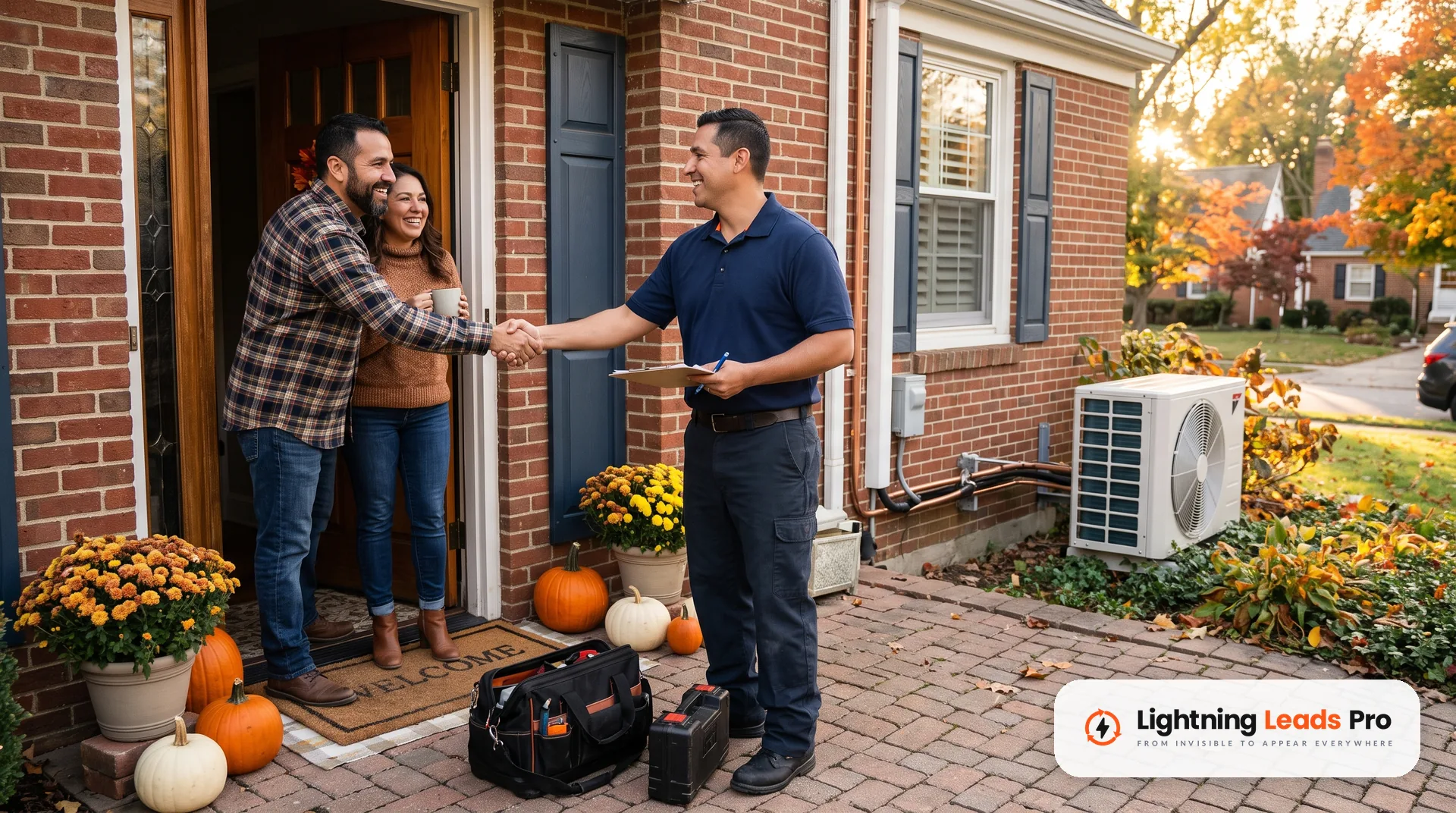
Train your techs to say one short line at the end of the visit. For example: “If a friend ever needs heating or cooling help, we would be glad to help them. I will text you a link that makes it easy.” That is it. No pressure and no long pitch.
Then the follow-up text a few days later does the rest. The tech plants the idea, and the system makes it easy to act on. Do not ask at a bad moment, like right after a large bill with no explanation.
Step 3: Pick a simple reward and keep it clean
Keep the reward easy to explain in one sentence. If your tech cannot say it out loud, it is too complex. Pay the reward only after the referred friend books and completes a paid job.
Here are reward ideas that fit an HVAC company:
- A service credit toward the next tune-up or repair.
- A free add-on at the next visit, like a filter or a thermostat check.
- A gift card to a local restaurant or a big store.
- A thank-you for both sides. The customer gets a reward, and the new friend gets a small welcome credit.
A common approach is to scale the reward to the job. A tune-up referral earns a smaller thank-you than a full system install. Pick your own numbers based on your margins, and write them down.
Put the rules in short written terms. Say who can take part and what counts as a referral. Say when the reward is paid and that you can change or end the program. Rules on paying for referrals can differ by state and by license type. Ask your attorney or your state licensing board before you launch a cash reward.
One more point on online posts. If you reward customers for posting about you online, the FTC says a connection like that should be disclosed clearly. Keep this in mind for any social media contest.
Step 4: Keep referral rewards separate from Google reviews
This step protects your Google profile. It is tempting to offer a gift card for a review. Do not do it.
Google’s own help page says that offering incentives for reviews is considered fake and misleading content and is strictly prohibited. Google’s Maps content policy also bans reviews that have been paid for, directly or in kind. That covers payment, discounts and free goods or services.
So keep two clean lanes:
- Referral lane: a reward is paid only when a referred friend books and completes a job. No review is required.
- Review lane: you ask every customer for an honest review, with no reward attached. You never ask only the happy ones.
Never tie the two together in the same sentence, text or email. For the full review side, read our guide on how to get more Google reviews without breaking the rules.
Step 5: Track every referral from first call to paid job
If you cannot track it, you cannot pay it, and customers notice. Tracking also shows you which customers send the most business. Those people deserve a personal thank-you call.
Use whatever system you already have. For each referral, you need to know three things. Who sent it, who came in, and whether the job was paid.
- Give each customer a unique link or code. Many field service and CRM tools can do this. A simple code like their last name works too.
- Ask every new caller how they heard about you. Add a required “referred by” field to your booking form and call script.
- Tag the new contact in your CRM. Link them to the customer who sent them.
- Mark the reward as owed when the job is paid. Then send it within a week, with a short thank-you note.
Review your referral list once a month. Look at how many referrals came in, how many booked, and who sent them. Ask your accountant how to record the rewards you pay.
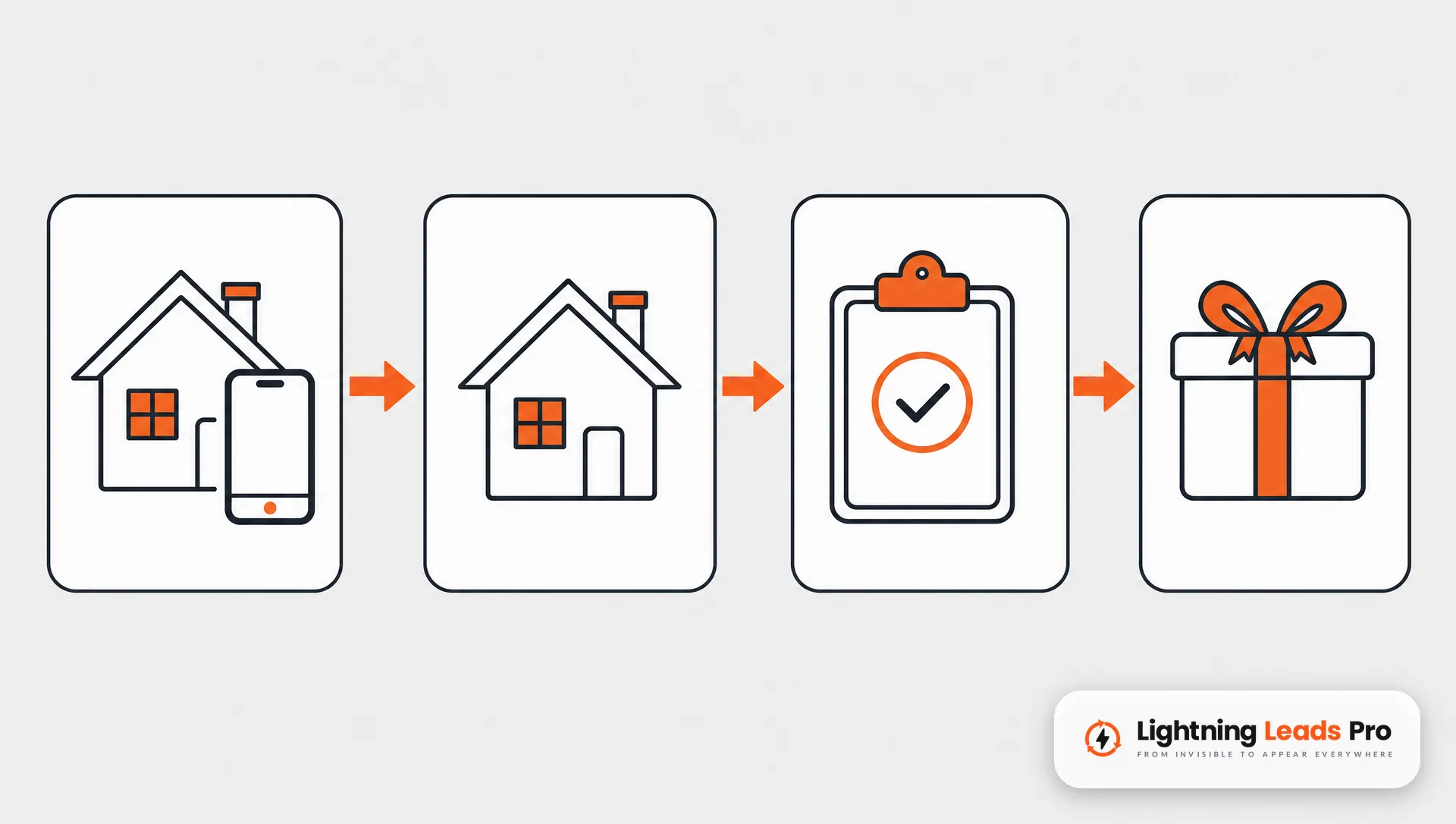
Step 6: Automate the referral ask by text and email
Your techs are busy. Your office is busy. The ask will slip unless a system sends it. This is where simple AI automation for HVAC companies saves real time.
A basic setup looks like this. When a job is marked complete and paid, your CRM sends the review ask that same day. A few days later, it sends a thank-you text with the referral link. A matching email goes out at the same time.
Here is a sample text you can adapt:
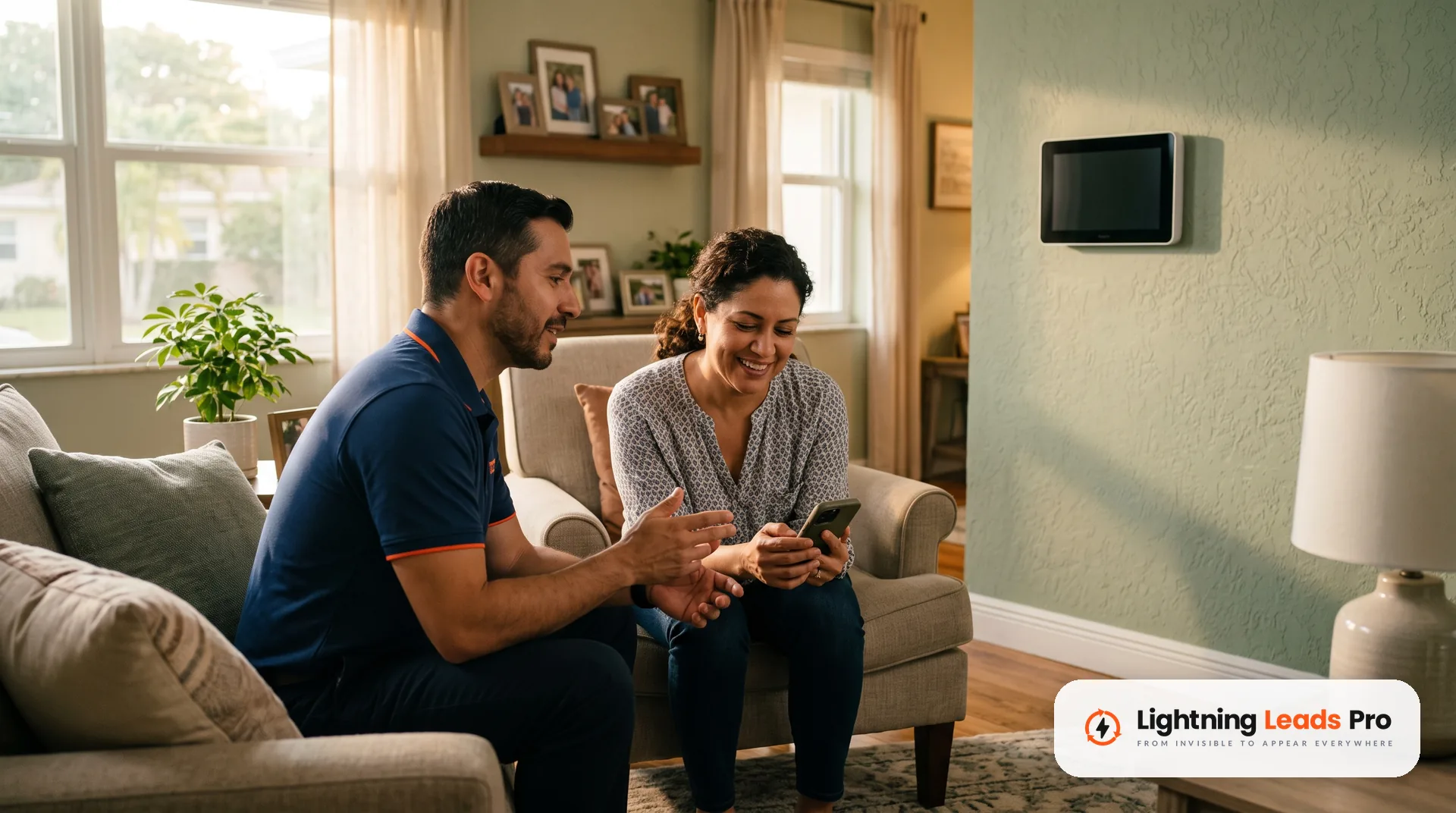
“Hi Maria, thanks again for having us out recently. If a friend or neighbor needs heating or cooling help, share this link. When they book a paid visit, we will send you a thank-you. Reply STOP to opt out.”
Put the referral link on its own line under the message, so it is easy to tap.
A few best practices keep this clean and respectful:
- Only text people who agreed to get texts from you. Keep proof of that consent in your CRM.
- Give an easy way to opt out in the first marketing text.
- Send during normal daytime hours in the customer’s time zone.
- Send one reminder at most. A second nudge a few weeks later is plenty.
- Keep the review request in its own message, on its own schedule, with no reward attached.
Texting laws vary by state, so check with your attorney.
If you also run a review request flow, space the two messages apart. A simple pattern is to send the review ask the same day and the referral text a few days later. That keeps each message short and keeps the two lanes clear. Our reputation management service can set up both flows so they do not step on each other.
HVAC referral program ideas for heating season
Fall is a good time to launch. Your techs are in homes for tune-ups and no-heat calls. Customers are thinking about comfort, and neighbors are asking each other who to call.
- Add the referral line to every fall tune-up. Plan members hear it at each visit.
- Print a small leave-behind card with the referral link as a QR code.
- Send a short email to past install customers with the program terms.
- Thank top referrers by name with a handwritten note at the end of the season.
For more fall ideas, see our post on HVAC marketing ideas for heating season. A referral program fits right next to tune-up reminders and review requests.
Frequently asked questions
How much should I offer for an HVAC referral?
There is no single right number. Base it on your margins and the job type. Many shops give a smaller reward for a service call and a larger one for a system install. Write the amounts down so every tech says the same thing.
When is the best time to ask for HVAC referrals?
Ask right after a good visit, when the system is working again. Have the tech mention it in person, then send a text with the link a few days later.
How do I track HVAC referrals?
Give each customer a unique link or code, and ask every new caller how they heard about you. Tag referred contacts in your CRM and mark the reward as owed when the job is paid.
Should I offer cash or service credits?
Both can work. Service credits bring the customer back to you, which helps with plan renewals. Cash or gift cards feel more like a true thank-you. Check your state’s rules before you pay cash for referrals.
Can I give a reward for a Google review?
No. Google prohibits incentives for reviews, including payment, discounts and free goods or services. Keep reviews and referrals in separate messages, and never make a reward depend on a review.
Start your HVAC referral program this month
A referral program does not need fancy software. It needs a short list, a clear ask, a simple reward and a way to track it. Start with your plan members and recent installs this month.
Want help setting up the referral and review flows so they run on their own? Book a Free Local Lead Growth Session and we will walk through where your next calls can come from.