The best HVAC promotions fill slow weeks without teaching customers to wait for a deal. Start with one clear goal. Pick the offer that fits it, give it a real end date and send it to your own customers first. Then count booked jobs, not clicks.
This guide is for owners choosing what to run this heating season and over the holidays. It compares five common offers and shows how to write clear terms. It also covers where to show each offer and how to measure it.
Key takeaways
- Pick one goal for each promotion before you decide on a discount.
- A heating tune-up special can fill slow weeks, while a plan offer can build repeat work.
- Give every offer a real end date and a real limit, then keep to them.
- Send the offer to your customer list first, then post it on your profile and website.
- Judge each promotion by booked jobs and what those jobs earned.
HVAC promotions by goal: which offer fits
Many owners first ask how much to take off. Ask what you need the offer to do instead. An empty board, a list of old systems and thin repeat work each point to a different offer.
| Promotion | Best goal | Send it first to | Watch out for |
|---|---|---|---|
| Heating tune-up special | Fill slow weeks before winter | Customers who skipped a visit | A cheap visit that turns into a sales pitch |
| Maintenance plan offer | Steady, repeat work | Tune-up customers and lapsed members | Perks your schedule cannot deliver |
| Financing offer | Help with a big decision | Open replacement quotes | Credit ad disclosures |
| Replacement offer | Move older systems | Older systems with repeat repairs | Inflated regular prices |
| Referral reward | New customers through trust | Plan members and recent installs | Mixing rewards with review requests |
An October 2026 guest column in ACHR News lists many of these same tools for slow months. It names tune-up specials, equipment discounts, financing and referrals. The key is matching the offer to the job you need done.
Five offers worth a look this heating season
Heating tune-up special
This is the HVAC tune-up special most owners think of first. It works best when your schedule has open slots and your customers have not booked yet. Send it to people who skipped a visit this year.
Say exactly what the visit covers. If your tech finds a problem, show it and let the customer decide. A special that always ends in a repair pitch can cost you trust.
Maintenance plan offer
A plan gives you repeat visits instead of a one-time job. Try a sign-up perk rather than a lower plan price, such as an extra filter. Our guide to building and renewing an HVAC service agreement covers what goes in the plan.
Financing offer
Financing fits a customer who wants the job but is stuck on the budget. Start with open quotes for new systems. The FTC says ads for consumer credit must include certain disclosures. Ask your lender for approved wording first.
Replacement offer for older systems
This offer goes to a short list, not to everyone. ENERGY STAR says it may be time to consider replacing equipment in a few cases. Those include a heat pump or AC over 10 years old, or a furnace or boiler over 15. Lots of repairs with rising energy bills are another sign.
Use those signs to build your list from job records. Never tell a customer they need a new system unless your tech believes it.
Referral reward
A referral reward is different because you pay only after a job comes in. Our HVAC referral program guide walks through the setup.
How to run HVAC specials without training customers to wait
If your coupon never leaves the website, customers can learn that nobody pays full price. These habits help keep your regular price believable.
- Plan a few offers, not a coupon every month. Tie each one to weeks you know are slow.
- Say why you are running it. The ACHR News column suggests telling customers plainly that this is your slow time.
- Trade the deal for something. Ask for a weekday morning slot or booking within a set window. That gives you a reason for the lower price.
- Add value instead of cutting price. An add-on at the visit leaves your regular price alone.
- Leave no-heat calls out of it. Those customers need you tonight, so a discount may not change their choice.
- Take care of plan members first. They should never find a public deal better than what they pay for.
- End it when you said you would. The FTC’s pricing guides warn against a “limited” offer that is not limited. Extended deals also teach people to ignore your dates.
How to write the terms so customers trust them
Clear terms can save your office some hard calls later. The FTC says ads must be truthful and not deceptive, and you need evidence for your claims. Every state has consumer protection laws too. This is not legal advice, so have your attorney review your wording.
Your terms should answer these questions in plain words:
- What does the customer get, and what is not included?
- Who qualifies, such as new bookings or one system per home?
- When must they book, and when must the visit happen?
- Is there a limit on slots, and is that limit real?
- Can they combine it with other offers?
Here is an example you can change: “Heating tune-up special for one gas furnace. Book by December 11 for a visit by December 22. Parts and repairs are extra and quoted first. One per home. Cannot be combined with other offers.”
Four points deserve extra care when you write the offer:
- Use a real regular price. The FTC’s pricing guides say a former price should be one you regularly offered for a substantial time. Do not raise a price just to cut it.
- Be careful with “free.” If a free item depends on a purchase, the FTC says the price of what they buy should not go up.
- Keep the terms close to the claim. The FTC advises clear language placed near the claim, with no small type.
- Sell what you advertise. The FTC says it is illegal to advertise something you do not intend to sell. Book the special as written.
Where to show your HVAC coupons and offers, in this order
Your own customers already know you, so they come first. Public channels come next.
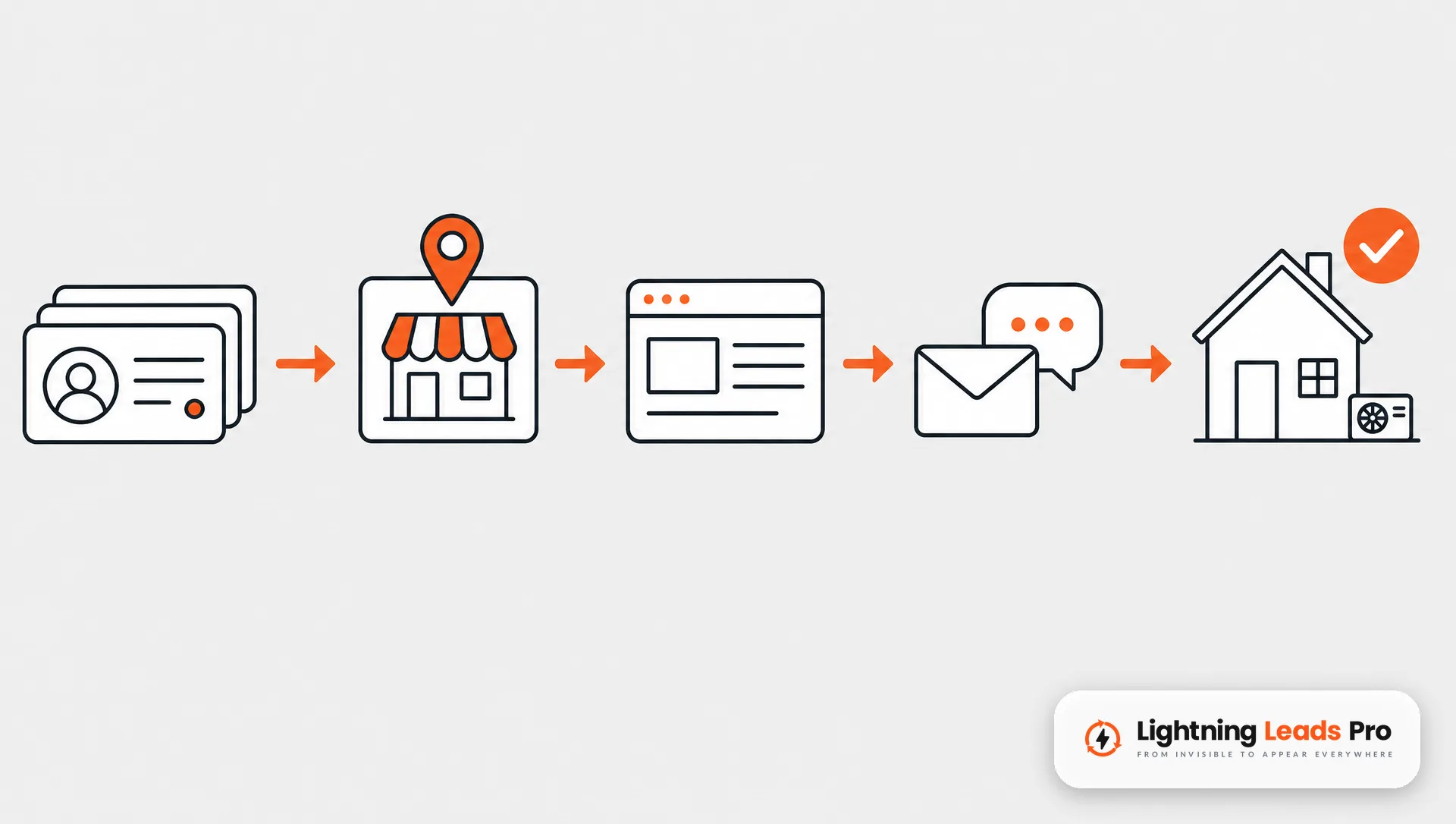
1. Your customer list
The ACHR News column starts here too. It suggests pulling reports on skipped maintenance, older systems and repeat repairs. It also suggests calling open quotes and members who did not renew.
2. Your Google Business Profile
Google has a post type just for this. At the time of writing, an offer post needs a title, dates and a time. It adds a “View Offer” button on its own. You can also add a description, photo, video, coupon code, link and terms.
Google says a post with a phone number in the description might get rejected if it cannot verify the number. Want this off your plate? Our Google Business Profile management publishes regular updates and offers to your profile.
Financing needs more care. Google lists financial services as a regulated industry and says posts should not include content about those products. Its content policy also limits promotional offers for restricted services.
Google does not say how that covers a contractor’s financing. To be safe, keep financing offers on your website, not in posts.
3. Your website
Give the offer a clear spot with the same terms you used everywhere else. Add a booking button and a phone number. Take it down the day it ends.
4. Email and text, with consent
Best practice is to send promotions only to people who agreed to hear from you. For email, the FTC’s CAN-SPAM guide lists what you need, including an honest subject line and your postal address. You also need a clear way to opt out, honored within 10 business days.
For texts, best practice is written consent and an easy opt-out, so check with your attorney. Our guide to HVAC text message marketing shows how. Our AI automation service helps you follow up with each reply.
Not sure your profile and website would show an offer well? Book a Free Local Lead Growth Session and we will show you where you stand against the companies around you.
How to measure what an HVAC promotion really booked
Clicks and post views do not pay the bills. Give every offer a short name or code, and use a different one per channel if you can.
Have your office ask every caller how they heard about the offer. When the offer ends, write down these numbers:
- Calls and forms that mentioned the offer
- Jobs booked, and jobs finished
- Revenue from those jobs, and the total discount you gave
- Follow-up work such as repairs, new systems and plan sign-ups
- Open slots before the offer, and how many it filled
Then ask a harder question. Would these customers have booked anyway? If most were regular customers, you may have paid for work you already had.
Keep the offers that filled slots at a profit. Change or drop the rest.

A simple promotion plan through New Year’s
You still have time to run a clean offer this season. Here is one way to lay it out.
- This week: Pick one goal and one offer. Write the terms and brief your team.
- Next week: Send it to your customer list and call open quotes.
- Before Thanksgiving (November 26): Publish the offer on your profile and website. Financing offers go on your website only.
- In December: If slots remain, send the replacement offer to your older-system list. If the board fills, stop promoting.
- First week of January: Take down expired offers and count your booked jobs.
Frequently asked questions
What should an HVAC tune-up special include?
List what the visit covers, which systems qualify and what costs extra. Add a real end date and any limit on slots. Set the price from your own costs.
Where should an HVAC company advertise a special?
Start with your own customer list. Then use a Google Business Profile offer post and a clear spot on your website. Use email and text only with people who agreed to hear from you.
Do HVAC coupons still work?
They can. A coupon that fills open slots at a profit is doing its job. One that always stays live may just lower what regular customers pay.
How do I make more money from HVAC promotions?
Run fewer offers, tied to slow weeks. Protect your price with add-ons and booking windows. Track the follow-up work each offer brings, then repeat what paid off.
Can I offer a discount for a Google review?
No. Google’s help page says offering incentives for reviews is prohibited. Keep your promotions and your review requests separate. Google’s policy also bars asking only for positive reviews, so ask every customer the same way.
Pick one offer and put a date on it
You do not need a long list of HVAC promotions this winter. You need one offer with a clear goal, honest terms and a real end date.
Want to see how your company shows up when homeowners search Google for heating help? Book a Free Local Lead Growth Session. We will look at your profile, your website and where your next calls can come from.